
SR-22 Insurance With Small Monthly Payments — Virginia
Free to compare
Why SR-22 Quotes Feel Unaffordable
You called three carriers for SR-22 quotes and all three came back between $180 and $280 per month. You need the filing to get your Virginia license back, but those numbers don't fit your budget. The problem isn't the SR-22 — it's the carrier tier you're quoting through.
The SR-22 certificate itself costs $25–$50 as a one-time filing fee. The expensive part is the underlying auto insurance policy the SR-22 attaches to. Standard-tier carriers (State Farm, Geico's preferred lines, Allstate) price suspended-driver policies at steep premiums because they classify post-suspension drivers as high-risk. Non-standard carriers exist specifically to write affordable coverage for drivers with violations, and they price the same liability limits $80–$150 lower per month.
“The SR-22 filing costs $25–$50. The expensive part is the underlying policy, and non-standard carriers price it $80–$150 lower per month than standard-tier brands.”

Get Insured and Get Your Virginia License Back
Get My Virginia Suspended License Insurance Quote$95–$160/mo
Non-Standard Carrier SR-22 Premium
Non-standard carriers writing Virginia SR-22 policies (Bristol West, Dairyland, The General, National General) typically quote monthly premiums 40–55% lower than standard-tier brands for identical 50/100/40 liability limits. Monthly payment plans available without full-pay penalty.
Virginia carrier rate comparisons, suspended-driver profiles, March 2025
What You're Actually Paying For
The SR-22 is not insurance. It's a certificate filed by your carrier with the Virginia DMV proving you carry at least the state's minimum liability coverage: $50,000 bodily injury per person, $100,000 per accident, $40,000 property damage. Your carrier files the SR-22 electronically when you buy a policy and maintains it for the required three-year period.
The monthly premium you pay covers the actual insurance policy — liability coverage that pays claims if you cause an accident. That premium varies wildly by carrier tier. Standard carriers treat suspended-license drivers as catastrophic risks and price accordingly. Non-standard carriers specialize in post-violation drivers and spread risk across a different actuarial pool, resulting in materially lower premiums for the same coverage.
The filing fee ($25–$50 depending on carrier) is a one-time administrative charge. Some carriers roll it into the first month's premium; others collect it separately at policy purchase. Once filed, the SR-22 stays active as long as your policy remains in force and you pay premiums on time.

If you let the policy lapse for any reason — missed payment, voluntary cancellation — your carrier notifies the DMV electronically and Virginia suspends your license again immediately.


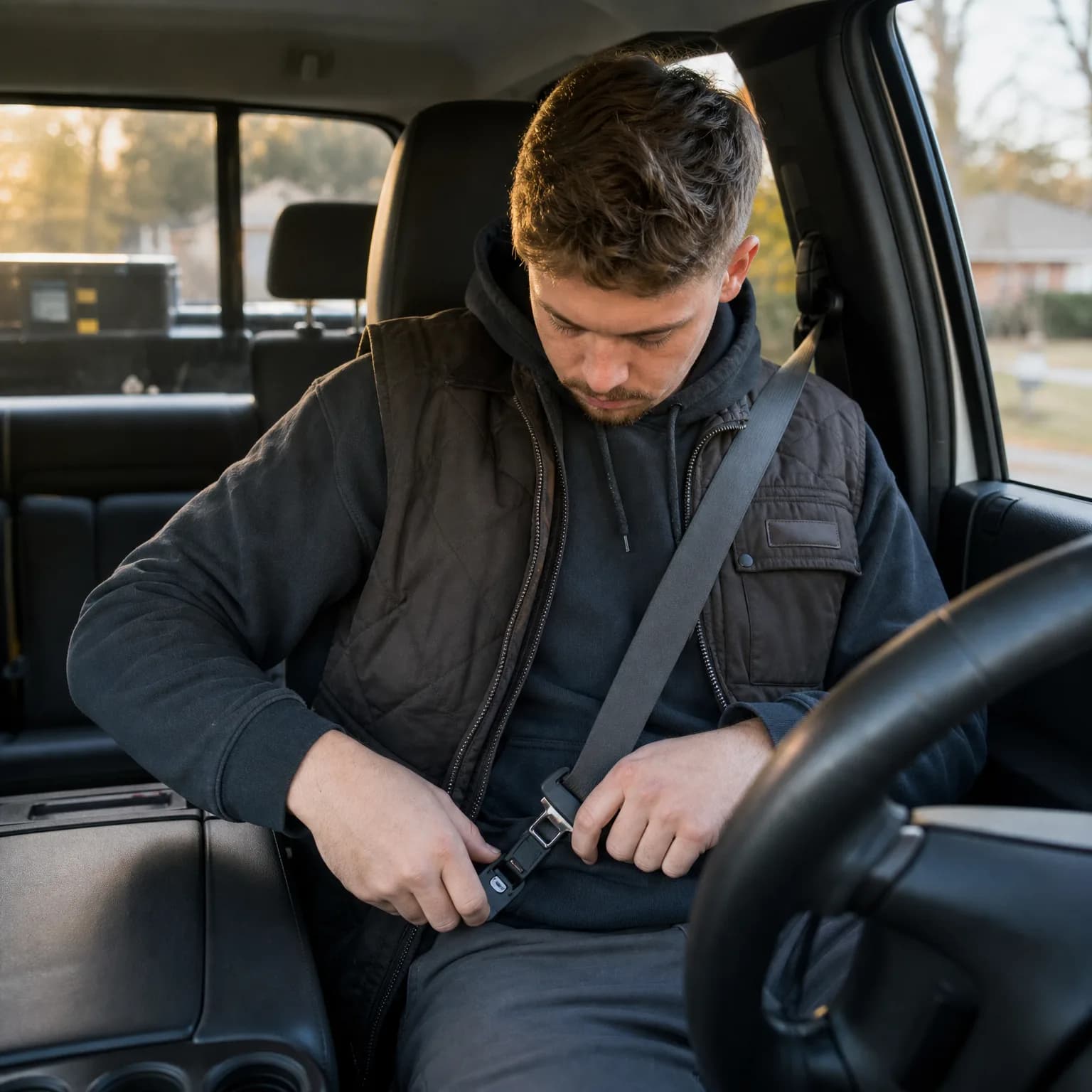




Non-Owner SR-22 for Drivers Without a Vehicle
If you don't own a car but need SR-22 to satisfy Virginia's reinstatement requirements, non-owner SR-22 policies cost $30–$65 per month through non-standard carriers. The policy provides liability coverage when you drive a borrowed or rental vehicle and includes the required SR-22 certificate filed with the DMV.
Non-owner policies meet the same 50/100/40 liability minimums as standard auto policies. Virginia DMV accepts non-owner SR-22 filings for license reinstatement — you do not need to own a vehicle to regain driving privileges. Geico, Progressive, Dairyland, and The General all write non-owner SR-22 policies in Virginia with month-to-month payment structures.
When you later purchase a vehicle, you'll need to switch from non-owner to standard auto insurance with SR-22 attached. Your carrier will cancel the non-owner policy, file the new SR-22 on the vehicle policy, and maintain continuous filing so your license status is unaffected by the transition.
3 years
Virginia SR-22 Filing Period
Virginia requires SR-22 filing for three years following license reinstatement after suspension. The period runs from your reinstatement date, not your conviction or suspension start date. If the policy lapses at any point during those three years, DMV suspends your license and the three-year clock resets when you refile.
Virginia DMV reinstatement requirements, Code of Virginia § 46.2-411

Carriers Writing Affordable SR-22 in Virginia
Bristol West, Dairyland, The General, and National General all write SR-22 policies in Virginia with monthly premiums typically between $95 and $160 for minimum liability limits. All four offer online quotes, month-to-month payment plans, and same-day SR-22 electronic filing to the DMV. Bristol West and Dairyland also write non-owner SR-22 policies starting around $35–$50/month.
Geico and Progressive write SR-22 in Virginia but price suspended-driver policies closer to standard-tier levels — expect $140–$220/month. They're worth quoting if you have other discounts (homeowner bundle, multi-vehicle) that bring the effective rate down, but their baseline SR-22 pricing runs higher than dedicated non-standard carriers. State Farm and Allstate write SR-22 but rarely compete on price for suspended-license drivers; quotes typically land in the $180–$280 range.
Next Step: Compare Monthly Payment Options
Request quotes from at least three non-standard carriers writing Virginia SR-22 policies: Bristol West, Dairyland, and The General. Provide identical coverage requests (50/100/40 liability minimum) so you're comparing true monthly cost, not coverage differences. Ask each carrier whether the filing fee is included in the first month's premium or billed separately, and confirm the policy runs month-to-month with no financing charges.
Once you select a carrier and purchase the policy, they file the SR-22 electronically with Virginia DMV the same business day. You'll receive a copy of the filed certificate by email within 24–48 hours. Take that certificate, proof of payment, and your reinstatement fee ($145 base fee, potentially higher depending on suspension type) to the DMV to complete reinstatement. Your license is restored once DMV processes the reinstatement and confirms active SR-22 filing status.
How Non-Standard Carriers Keep Payments Lower
Standard-tier carriers typically require six-month policy terms paid in full or financed through their in-house installment plan, which adds interest and fees. Non-standard carriers writing SR-22 policies structure coverage as month-to-month renewable terms with no financing charges. You pay one month at a time. This eliminates the down payment barrier (often $400–$800 with standard carriers) and spreads cost evenly across the year.
Non-standard pricing also reflects different underwriting models. Bristol West, Dairyland, The General, and National General build their risk pools around drivers with violations, suspensions, and lapses. They don't surcharge suspended drivers against a clean-record baseline the way State Farm or Allstate does — the baseline itself assumes prior violations. This structural difference produces premiums 40–55% lower for identical liability limits. The coverage quality is the same; the actuarial model is different.
Get Your Free Quote
Get My Virginia Suspended License Insurance QuoteFrequently Asked Questions
How much does SR-22 filing cost in Virginia?
The SR-22 certificate filing fee is $25–$50 depending on your insurance carrier, paid once when the policy is issued. The monthly insurance premium attached to the SR-22 ranges from $95–$160/month through non-standard carriers or $140–$280/month through standard-tier carriers for minimum liability coverage.
Can I get SR-22 insurance without owning a car in Virginia?
Yes. Non-owner SR-22 policies provide liability coverage when you drive borrowed or rental vehicles and include the required SR-22 certificate filed with Virginia DMV. Monthly premiums typically run $30–$65 through carriers like Geico, Progressive, Dairyland, and The General.
What happens if I miss a payment on my SR-22 policy?
Your carrier notifies Virginia DMV electronically within 24–48 hours of the lapse, and DMV suspends your license immediately. You must purchase a new policy, refile SR-22, and pay reinstatement fees again. The three-year SR-22 filing period resets from the new filing date.
How long do I need to keep SR-22 insurance in Virginia?
Virginia requires SR-22 filing for three years from your license reinstatement date. The filing must remain continuous — any lapse during those three years triggers license suspension and restarts the three-year clock. After three years of continuous coverage, your carrier stops filing SR-22 and you can shop for standard policies.
Which insurance companies offer the cheapest SR-22 in Virginia?
Bristol West, Dairyland, The General, and National General typically offer the lowest SR-22 monthly premiums in Virginia, ranging from $95–$160/month for minimum liability coverage. These non-standard carriers specialize in suspended-driver policies and structure month-to-month payment plans with no financing charges.
Do I need FR-44 or SR-22 in Virginia?
Virginia requires FR-44 (not SR-22) for DUI/DWI-related suspensions. FR-44 mandates higher liability limits — $50,000/$100,000 bodily injury and $40,000 property damage. For non-DUI suspensions (points, unpaid fines, lapsed insurance), Virginia requires standard SR-22 with the same 50/100/40 minimums.